






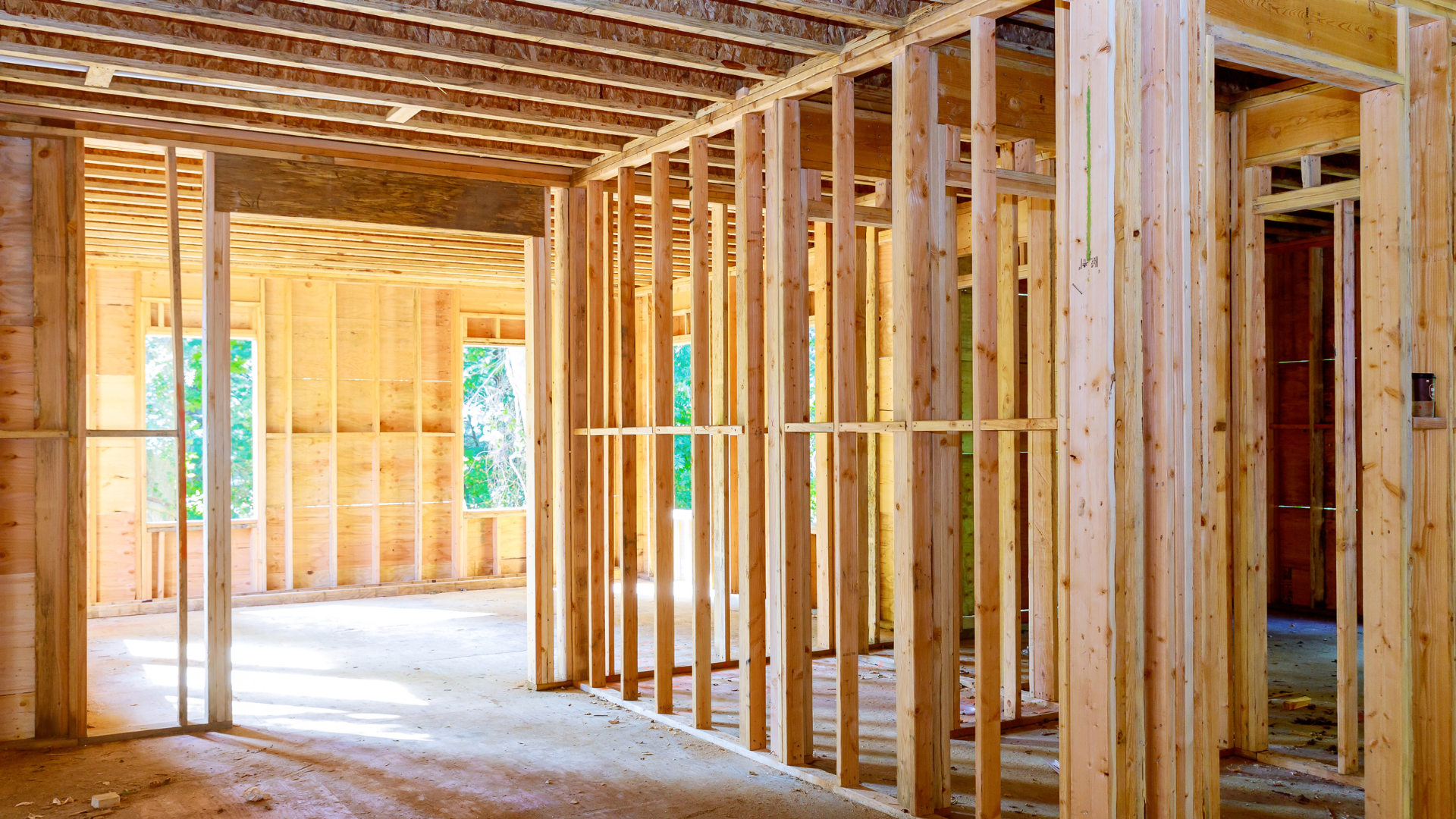
In Toronto home renovations, determining whether a wall is load-bearing is a critical safety and planning step, especially when creating open-concept layouts.
Many Toronto homes were built decades ago and rely on specific structural walls to support upper floors and roof loads. Removing a structural wall without engineering approval can lead to serious structural damage, permit violations, and costly repairs.
In this guide, D2 Build explains how to determine if a wall is load-bearing in your Toronto home, what signs to look for, and when a professional assessment is required before renovation work begins.
Why It’s Important To Identify Load-Bearing Walls.
Identifying a load-bearing wall before starting a renovation is critical for the following reasons:
- Safety: Load-bearing walls transfer roof and upper-floor loads to the foundation. Removing or altering them without engineered support can compromise the structural integrity of the entire home.
- Cost Control: Early identification prevents unexpected engineering costs, permit delays, and redesigns once construction has started—issues that are especially costly in Toronto renovations.
- Design Feasibility: Knowing which walls are structural allows realistic renovation planning, including whether steel beams, laminated veneer lumber (LVL’s) posts, or alternative layouts are required.
What Happens If You Remove A Load-Bearing Wall
Removing a load-bearing wall without proper structural support can cause sagging floors, cracked drywall, roof movement, and long-term structural instability. In severe cases, it can lead to partial collapse or unsafe living conditions. Because many Toronto homes are older and were not designed for open-concept layouts, professional structural assessment is essential before any wall removal.
What Makes a Wall Load-Bearing?
In simple terms, a load-bearing wall carries part of the building’s weight. It supports the weight of elements above it, such as the roof or upper floors, and transfers that load down to the foundation. This type of wall is a fundamental part of the house’s structure. By contrast, a non-load-bearing wall, often referred to as a partition wall, divides interior space. These walls can be removed or altered without affecting the building’s stability.
Why Load-Bearing Walls Matter in a Toronto Home Renovation
Load-bearing walls directly affect what is structurally and legally possible in a Toronto home renovation. Altering them impacts engineering requirements, permit approvals, inspection scheduling, and construction methods.
Understanding these constraints early allows homeowners to design renovations that are both achievable and compliant with Toronto Building Code requirements.
Why You Must Obtain Permits and Code Compliance
In Toronto and across Ontario, modifying a load-bearing wall requires a building permit and engineer-approved drawings. Skipping this process can result in fines, stop-work orders, insurance complications, resale issues, and costly corrective work later. By following the permit process and involving qualified experts, you ensure your renovation is compliant with city regulations and structurally sound.
Why You Can’t Remove A Load-Bearing Wall Without Proper Structural Support
Proper engineering enables safe open-concept renovations projects. As previously mentioned, a load-bearing wall carries upper-floor or roof loads. Removing it without engineered beams can include the following consequences:
- Sagging or uneven floors
- Cracked drywall, ceilings, or tile
- Roof movement leading to leaks
- Structural instability or even collapse
Long-Term Stability and Value
Respecting load-bearing walls ensures long-term safety, future-proofs older homes, boosts resale value through open layouts, avoids inspection issues, and protects your investment when renovations follow professional engineering, permits, and construction.
- Correct structural support keeps homes safe and durable for decades
- Engineered open layouts increase buyer appeal and strengthen resale value
- Unpermitted wall changes risk inspections, delays, fines, and costly repairs
Common Load-Bearing Wall Locations in Toronto Homes
Most Toronto homes rely on exterior walls for support. Larger or detached houses may have a central load-bearing wall.
Exterior Walls in Narrow, Semi-Detached Houses:
Under 15 Feet Wide
In a typical Toronto semi-detached house under ~15 feet wide, interior walls are generally not load-bearing. These narrow homes use full-span floor joists that stretch from one exterior wall to the other, eliminating the need for a center support. Structural support comes from the perimeter: the two side exterior walls and the front and rear walls. Interior partitions in these houses usually do not carry weight; they serve mainly to divide rooms.
Central Hallway Walls in Larger or Detached Homes
In detached or wider homes (generally beyond 15–18 feet in width), a wall running down the middle of the house – often aligning with a central hallway or staircase – is usually load-bearing. This central wall carries the weight of upper floor joists where they meet or break span.
How to Identify a Load-Bearing Wall (Signs to Look for)
Signs that a wall may be load-bearing include:
- Exterior walls – The outer perimeter walls of a house are always load-bearing.
- Perpendicular floor joists – A wall that runs perpendicular to the floor joists above is often carrying weight.
- Alignment/stacking – If a wall sits directly above a beam or post (e.g., over a main beam in the basement), or if it stacks over another wall on multiple floors, it is likely load-bearing.
When in doubt, always consult a structural engineer or a premium general contractor for a professional assessment before removing any wall.
Removing a Load-Bearing Wall Safely
Post and Beam vs. Flush-Mount Beam
If you decide to remove a load-bearing wall, you must add a new support structure to carry the load. Typically, this is done with either a post and beam installation or a flush-mount beam hidden in the ceiling.
Post and Beam Support Method
A post and beam method is a common way to open up space after removing a structural wall. It involves inserting a new beam below the ceiling line, supported at its ends by vertical posts, often tied into adjacent walls. This approach does leave a visible beam (sometimes enclosed as a drop-down bulkhead) and usually small posts or columns at the ends, but it is straightforward and effective for supporting the load once the wall is gone.
Flush-Mount Beam: A Hidden Support Solution
A flush-mount beam is a heavy support beam installed within the ceiling structure between the floor joists rather than below it. It sits flush with the joists above, so there’s no visible drop beam or bulkhead, keeping the ceiling flat and seamless. This hidden-beam approach is more complex to execute, since the structure above must be opened up to insert the beam and properly tie it in.
Why Hire D2 Build Inc for Load-Bearing Wall Removal in Toronto
Removing or modifying a load-bearing wall is never a simple task. It requires structural engineering, permit coordination, proper temporary support, and precise installation of permanent beams or posts.
D2 Build manages this process end-to-end, coordinating engineers, permits, inspections, and construction, so structural modifications are completed safely, legally, and in accordance with Toronto building requirements.
FREQUENTLY ASKED QUESTIONS (FAQs)
Are all exterior walls load-bearing?
Generally, yes. In wood-framed homes, exterior walls almost always support the roof and upper floors, so assume they’re structural. Only a structural engineer can determine if a specific exterior wall section is non-load-bearing.
Does a thicker wall mean it’s load-bearing?
Not always. Some walls are thicker to conceal plumbing or ducts. However, an unusually thick, centrally located wall with floor joists running perpendicular above it is very likely to be load-bearing.
Do I need a permit to remove a load-bearing wall in Toronto?
Yes. In Toronto, removing a load-bearing wall is a major structural alteration that requires a building permit and engineer-approved plans. This ensures the work meets safety standards and complies with building codes.
Who should I consult before removing a load-bearing wall?
Always hire a structural engineer to assess the wall and design the proper support. You’ll also need a qualified contractor to handle the removal and ensure the work is done safely.
How much does it cost to remove a load-bearing wall in Toronto?
Costs vary. In Toronto, professional removal of a load-bearing wall typically ranges from about $1,200 to $5,000. The exact price depends on the wall’s length, structural complexity, and project specifics: engineering plans, permits, and moving utilities.
Can I remove a load-bearing wall myself?
No. You should never attempt to remove a structural wall on your own. It’s dangerous and can cause severe structural damage or collapse. Building regulations require a licensed contractor and structural engineer for any load-bearing wall removal.